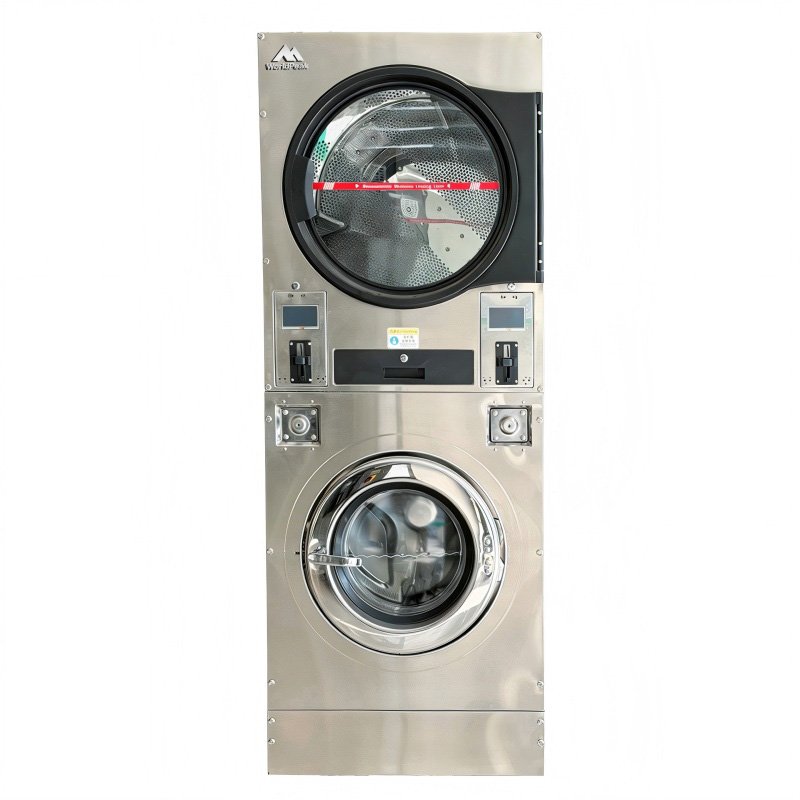
À medida que continua aumentando a procura por serviços terceirizados de enxoval de hotéis, pousadas, restaurantes, hospitais e outras instituições, as lavanderias comerciais profissionais tornaram-se uma parte importante do setor de serviços. Muitos empreendedores iniciantes cometem o erro de comprar apenas lavadoras básicas e começar a operar sem planejar todo o fluxo de trabalho. Isso pode posteriormente resultar em baixa eficiência de lavagem, excesso de necessidade de mão de obra, gargalos de produção e capacidade insuficiente nos períodos de pico. Um sistema profissional de equipamentos para lavanderia comercial deve, portanto, ser planejado como uma linha de produção completa que abranja lavagem, secagem, passagem, dobra, movimentação do enxoval, dosagem de produtos químicos e utilidades de apoio. De acordo com o volume diário de processamento, as lavanderias podem ser geralmente divididas em pequenas operações iniciais, lavanderias padrão de médio porte e grandes lavanderias automatizadas.
- Quais equipamentos uma lavanderia comercial precisa?
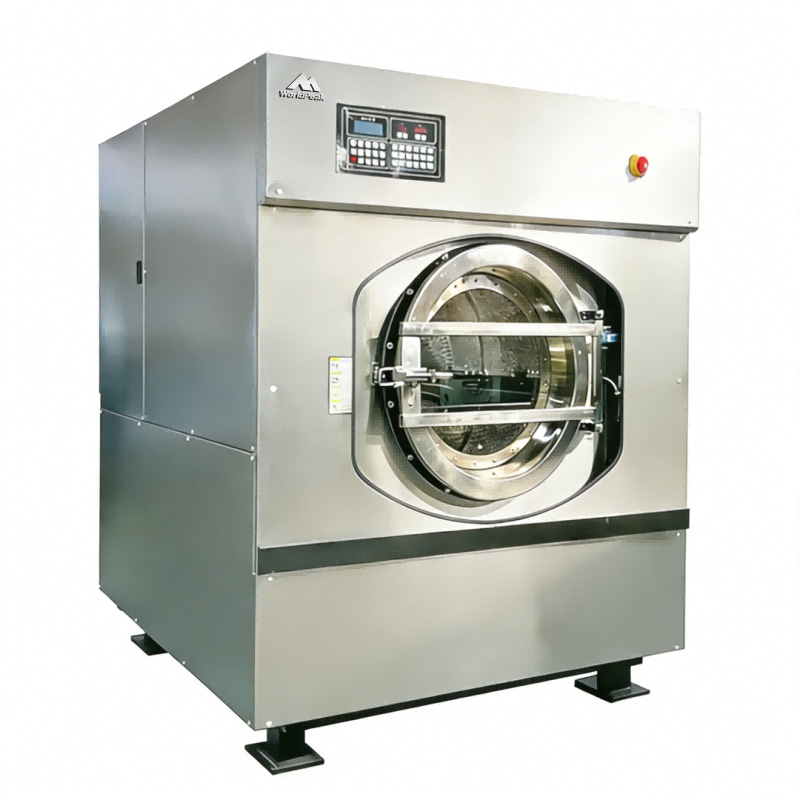
- Lavadoras-extratoras industriais
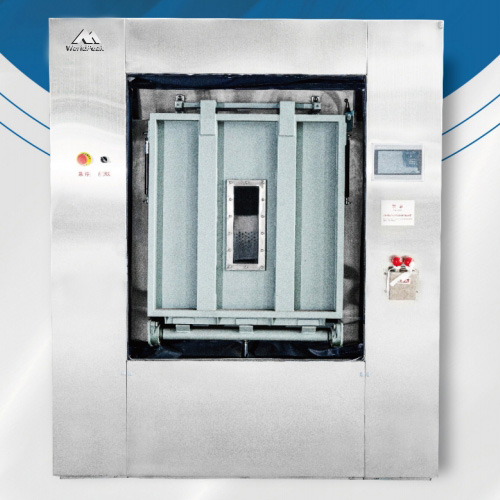
- Lavadoras-extratoras de barreira para lavanderia hospitalar
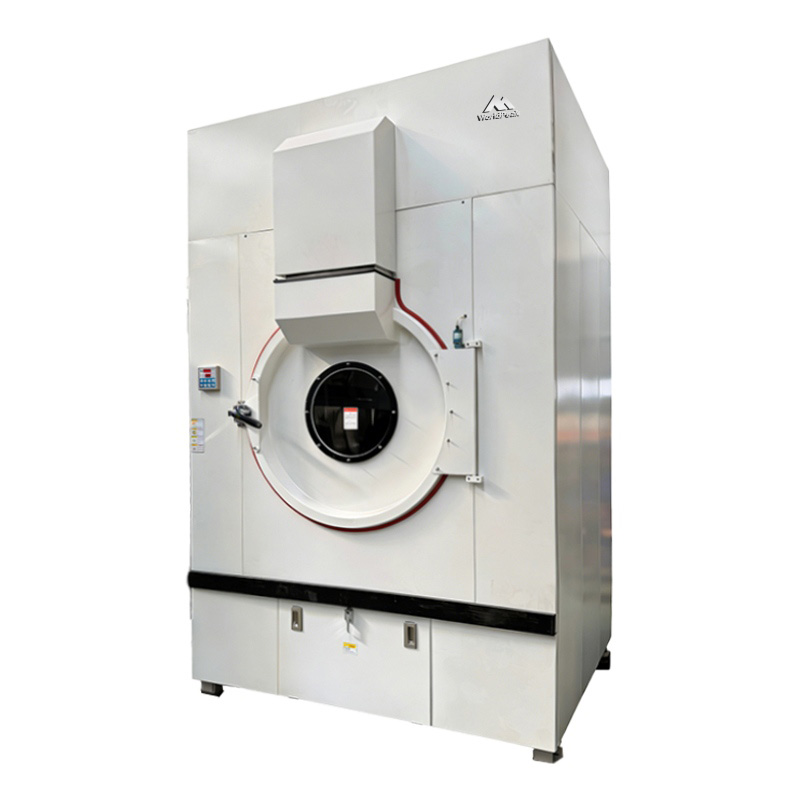
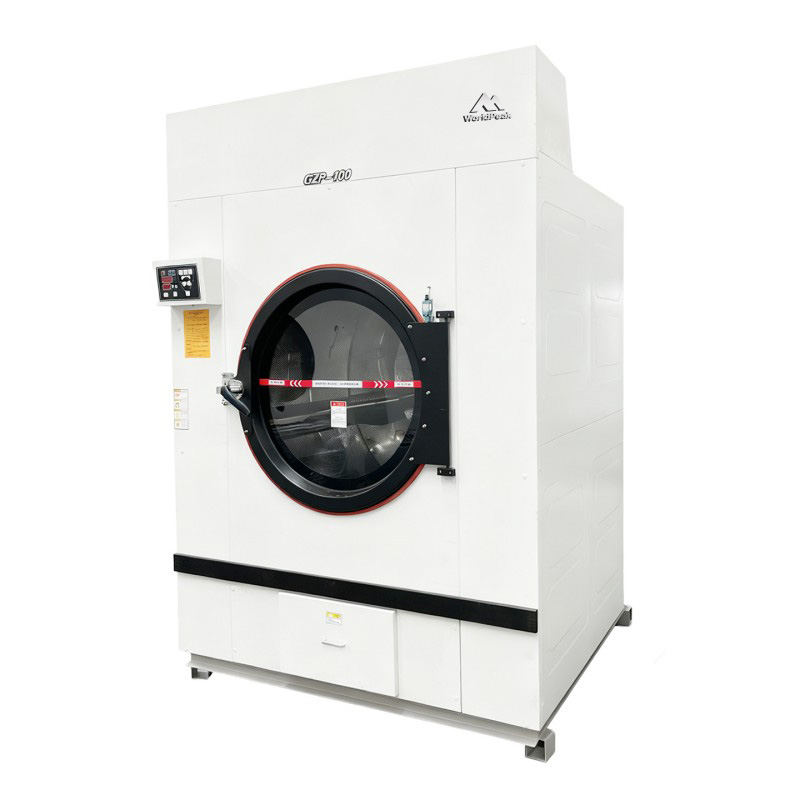
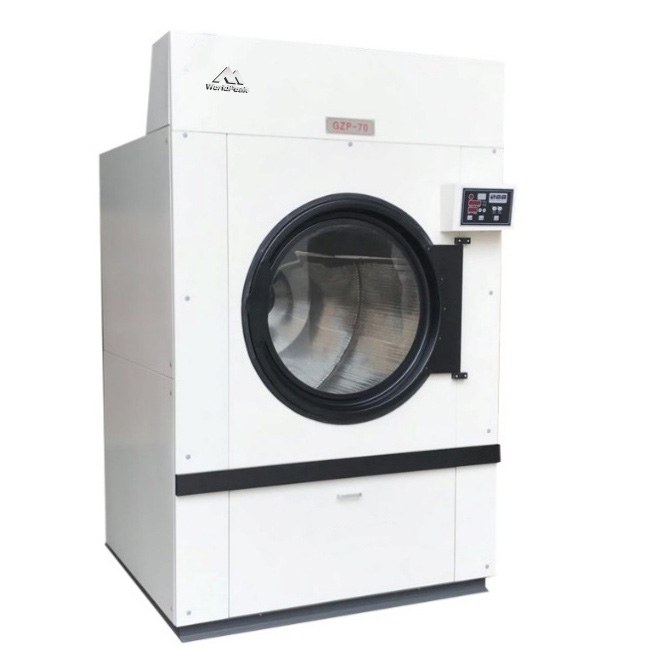
- Secadoras rotativas industriais
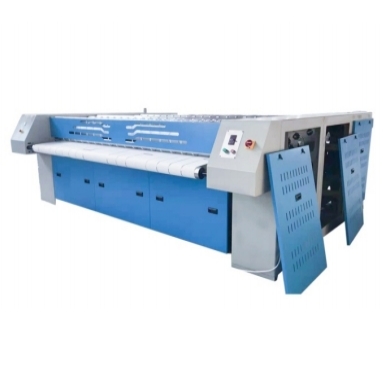
- Equipamentos de passagem e dobra de peças planas
- Equipamentos auxiliares essenciais de lavanderia
- Configuração de equipamentos para uma pequena lavanderia
- Configuração de equipamentos para uma lavanderia de médio porte
- Equipamentos para uma grande lavanderia comercial
- Como escolher equipamentos para uma lavanderia
- Perguntas frequentes
Quais equipamentos uma lavanderia comercial precisa?
Uma lavanderia comercial completa normalmente precisa de equipamentos para várias etapas diferentes de processamento, e não apenas de lavadoras.
As principais categorias de equipamentos incluem:
- Lavadoras-extratoras industriais
- Secadoras rotativas industriais
- Calandras
- Alimentadoras automáticas de enxoval
- Máquinas automáticas de dobra
- Sistemas automáticos de dosagem de produtos químicos
- Caldeiras a vapor ou geradores de vapor, quando necessário
- Equipamentos de abrandamento e tratamento de água
- Carrinhos para transporte de enxoval
- Mesas de triagem de enxoval
- Equipamentos de tratamento ou pré-tratamento de águas residuais
- Equipamentos opcionais de lavagem a seco
A combinação correta depende do volume diário de enxoval, das categorias de têxteis, do tipo de cliente, das horas de operação, do espaço disponível, dos custos de mão de obra, das condições das utilidades e dos planos de expansão futura.
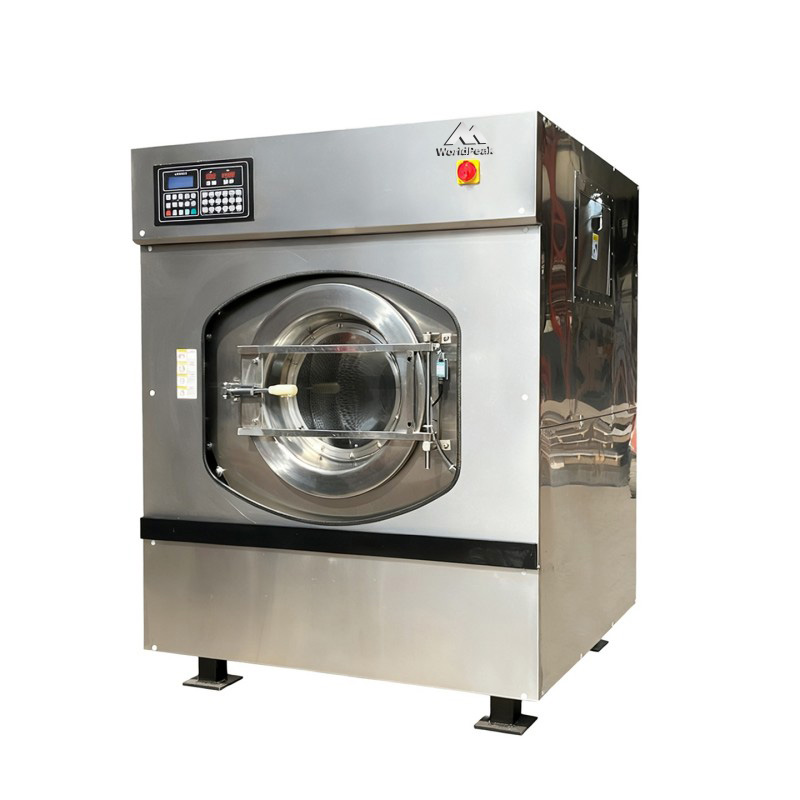
Lavadoras-extratoras industriais: o núcleo de uma lavanderia
A lavadora-extratora industrial é a principal máquina de uma lavanderia comercial. Ela determina grande parte da capacidade de lavagem da instalação e combina lavagem, enxágue, drenagem e extração em alta velocidade em uma única unidade.
Capacidades comuns de lavadoras-extratoras
As lavadoras-extratoras comerciais são normalmente disponíveis em capacidades como:
- 30 kg
- 50 kg
- 70 kg
- 100 kg
- 120 kg ou mais
O tamanho correto da máquina deve ser escolhido de acordo com o peso diário do enxoval seco e as horas de operação, em vez de simplesmente comprar o maior modelo disponível.
Lavadoras-extratoras de 50 kg para pequenas lavanderias
Uma pequena lavanderia em fase inicial, processando menos de aproximadamente 500 jogos de enxoval por dia, pode usar uma ou duas lavadoras-extratoras de 50 kg.
Essas máquinas são adequadas para processar:
- Lençóis de hotel
- Capas de edredom
- Toalhas
- Toalhas de mesa de restaurante
- Roupas de trabalho
- Uniformes
As lavadoras-extratoras modernas podem armazenar vários programas de lavagem, permitindo ajustar nível de água, tempo de lavagem, temperatura, dosagem química e velocidade de extração conforme o tipo de tecido e o nível de sujeira.
Lavadoras-extratoras de 100 kg para lavanderias de médio porte
Uma lavanderia comercial de médio porte que processa aproximadamente 800 a 1.800 jogos de enxoval por dia pode se beneficiar de várias lavadoras-extratoras de 100 kg.
Instalar mais de uma máquina proporciona maior flexibilidade, pois diferentes categorias de enxoval podem ser processadas simultaneamente e a produção pode continuar se uma máquina ficar temporariamente indisponível para manutenção.
Dosagem automática de produtos químicos
As lavadoras-extratoras industriais podem ser conectadas a sistemas automáticos de dosagem que fornecem quantidades predeterminadas de detergente, álcali, alvejante, desinfetante, neutralizante e amaciante conforme o programa de lavagem selecionado.
Isso ajuda a melhorar a consistência da lavagem e reduz erros associados à dosagem manual de produtos químicos.
Lavadoras-extratoras de barreira para lavanderia hospitalar
Lavanderias comerciais que processam têxteis de saúde podem precisar de lavadoras-extratoras de barreira quando é necessária separação física entre as áreas de enxoval contaminado e limpo.
As lavadoras de barreira usam um design de passagem com duas portas. Os têxteis sujos são carregados pelo lado contaminado, enquanto os têxteis limpos são descarregados por uma porta separada no lado limpo após a lavagem.
Essa disposição favorece um fluxo unidirecional da lavanderia e ajuda a reduzir cruzamentos desnecessários entre as áreas de processamento suja e limpa.
A necessidade de lavadoras-extratoras de barreira deve ser determinada conforme os requisitos locais aplicáveis de higiene em saúde e o tipo de têxtil médico processado.
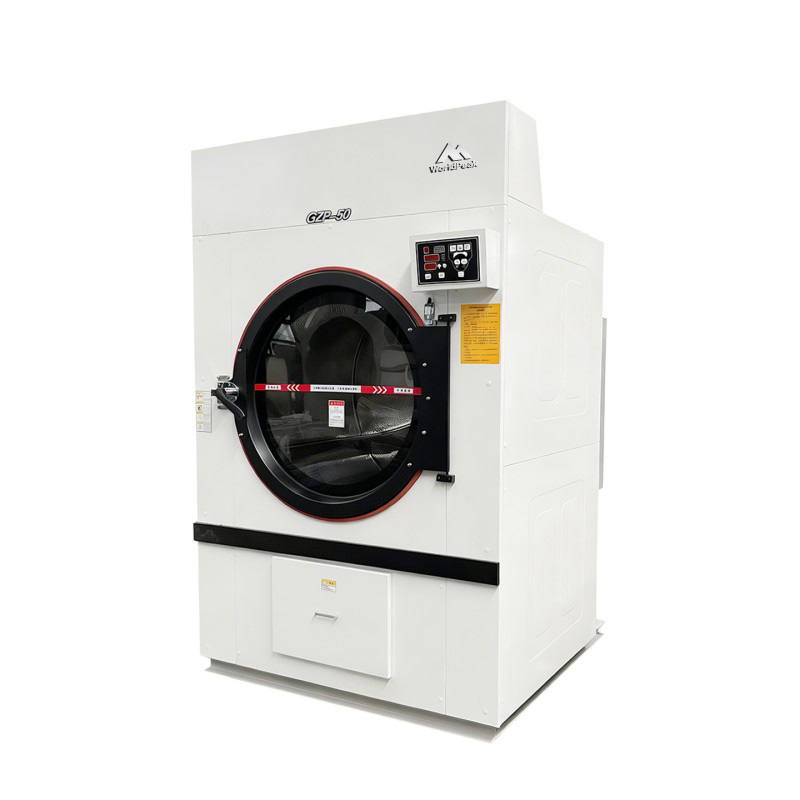
Secadoras rotativas industriais para lavanderias comerciais
Após a extração em alta velocidade, o enxoval ainda contém umidade residual. As secadoras rotativas industriais são, portanto, essenciais para conectar a etapa de lavagem com passagem, dobra e acabamento final.
Combinar a capacidade da secadora com a capacidade da lavadora
A capacidade total de secagem deve, em geral, ser planejada para acompanhar a produção da seção de lavagem.
Se a capacidade de lavagem superar significativamente a capacidade de secagem, o enxoval molhado pode se acumular e criar um gargalo de produção.
Secadoras rotativas de 50 kg
Uma secadora de 50 kg pode ser adequada para lavanderias comerciais menores que processam toalhas, toalhas de banho, uniformes, roupas de trabalho e quantidades moderadas de enxoval de hotel.
Secadoras industriais de 100 kg e 120 kg
Lavanderias médias e grandes costumam usar secadoras rotativas de classe 100 kg ou 120 kg para lidar com cargas maiores e operação diária contínua.
Métodos comuns de aquecimento
As secadoras industriais podem utilizar:
- Aquecimento a vapor
- Aquecimento elétrico
- Aquecimento a gás
- Sistemas com bomba de calor
Modelos aquecidos a vapor são comuns em lavanderias que já possuem sistemas de caldeira, enquanto modelos elétricos ou com bomba de calor podem ser adequados onde não há vapor disponível.
A opção mais econômica depende dos preços locais de energia, das horas de operação, da infraestrutura e do volume de produção.
Por que a secagem adequada é importante
Uma secagem eficiente melhora o giro do enxoval, reduz períodos prolongados de umidade e prepara toalhas, uniformes e outros têxteis para o acabamento ou entrega subsequentes.
Equipamentos de passagem e dobra de peças planas
Após a lavagem e secagem, lençóis, capas de edredom, fronhas, toalhas de mesa e outros itens planos normalmente precisam ser passados e dobrados antes da entrega.
Essa seção de acabamento é especialmente importante para enxoval de hotel, porque aparência e uniformidade influenciam a qualidade percebida do produto final.
Calandras de um rolo
Calandras de um rolo são comumente utilizadas em pequenas lavanderias com volumes moderados de produção.
Elas oferecem funções básicas de secagem, passagem e alisamento sem exigir o investimento em uma grande linha automatizada de acabamento.
Calandras multirrolos
Lavanderias médias e grandes podem utilizar calandras de alta velocidade com dois, três ou quatro rolos.
Vários rolos proporcionam uma área maior de passagem e podem aumentar a capacidade de produção quando corretamente combinados com a pressão de vapor disponível e a velocidade de alimentação do enxoval.
Alimentadoras automáticas de enxoval
Uma alimentadora ajuda a abrir e guiar lençóis e capas de edredom para dentro da calandra.
Isso reduz o posicionamento manual repetitivo e pode melhorar a uniformidade e a velocidade da seção de passagem.
Máquinas automáticas de dobra
Uma máquina totalmente automática de dobra pode ser instalada após a calandra para dobrar, contar, empilhar e organizar o enxoval acabado.
Para lavanderias médias e grandes, a dobra automática pode reduzir o trabalho manual repetitivo e ajudar a padronizar as dimensões do enxoval acabado.
Acabamento de roupas e têxteis irregulares
Roupas de trabalho, uniformes, peças de vestuário e outros têxteis de formato irregular nem sempre podem ser processados em uma calandra.
Equipamentos adicionais de acabamento podem incluir:
- Mesas de passar a vácuo
- Prensas utilitárias
- Máquinas de acabamento de roupas
- Túneis de acabamento de roupas
Equipamentos auxiliares essenciais para lavanderias
Uma lavanderia comercial profissional também depende de vários sistemas auxiliares. Eles são frequentemente ignorados por operadores iniciantes, mas têm efeito significativo sobre o fluxo de trabalho, a confiabilidade dos equipamentos e os custos operacionais.
Caldeira a vapor ou gerador de vapor
O vapor pode ser utilizado como fonte de calor para lavadoras-extratoras, secadoras rotativas e calandras.
Lavanderias que planejam utilizar várias máquinas aquecidas a vapor devem calcular a demanda total de vapor antes de selecionar a caldeira ou o sistema de geração de vapor.
Sistema de abrandamento e tratamento de água
A água dura contém níveis relativamente altos de cálcio e magnésio e pode contribuir para a formação de incrustações em tubulações, válvulas, componentes de aquecimento e equipamentos de lavagem.
Um sistema de abrandamento pode reduzir a dureza e melhorar a consistência da lavagem, especialmente em áreas com baixa qualidade da água de entrada.
Carrinhos para transporte de enxoval
Quando necessário, devem ser utilizados carrinhos separados para diferentes etapas da movimentação do enxoval.
Um fluxo lógico unidirecional ajuda a organizar o movimento desde:
- Recebimento do enxoval sujo
- Triagem
- Lavagem
- Secagem
- Passagem
- Dobra
- Armazenamento limpo
- Expedição
Mesas de triagem de enxoval
As mesas de triagem ajudam os operadores a classificar os têxteis antes do carregamento conforme cliente, tipo de tecido, cor, nível de sujeira ou programa de lavagem.
Sistema automático de dosagem de produtos químicos
A dosagem automática proporciona uso mais consistente de produtos químicos entre os lotes e reduz o manuseio manual desnecessário de produtos químicos de lavanderia.
Tratamento de águas residuais
As águas residuais de lavanderias comerciais podem conter detergentes, fiapos, sólidos suspensos, óleos e outros contaminantes.
Os requisitos de tratamento e descarte variam de acordo com o local, por isso os operadores devem confirmar as regulamentações ambientais locais aplicáveis ao planejar a instalação.
Equipamentos opcionais de lavagem a seco
Lavanderias comerciais que também processam roupas de lã, ternos, têxteis de seda, uniformes premium ou outros itens delicados podem adicionar uma máquina de lavagem a seco totalmente fechada.
Isso permite que a instalação amplie os serviços além da lavagem convencional com água e atenda a uma gama mais ampla de clientes.
Configuração de equipamentos para uma pequena lavanderia
Uma pequena lavanderia em fase inicial que atende pousadas, restaurantes, salões de beleza ou pequenos hotéis locais deve, em geral, concentrar-se em um conjunto de equipamentos simplificado.
Configuração típica de uma pequena lavanderia
- 1 × lavadora-extratora de 50 kg
- 1 × secadora rotativa de 50 kg
- 1 × calandra de um rolo
- Pequeno gerador de vapor ou sistema de aquecimento adequado
- Carrinhos para transporte de enxoval
- Mesa de triagem
- Sistema básico de dosagem química
Essa configuração ajuda a controlar o investimento inicial e, ao mesmo tempo, oferece as funções básicas de lavagem, secagem e acabamento necessárias ao processamento comercial do enxoval.
À medida que o volume de pedidos aumenta, lavadoras, secadoras ou equipamentos de dobra adicionais podem ser acrescentados gradualmente.
Configuração de equipamentos para uma lavanderia de médio porte
Uma lavanderia de médio porte que atende redes de hotéis, restaurantes, instituições ou clientes regionais de enxoval precisa de maior capacidade de lavagem e acabamento.
Configuração típica de uma lavanderia de médio porte
- 2 ou mais × lavadoras-extratoras de 100 kg
- Várias secadoras rotativas de alta capacidade
- Sistema automático de dosagem de produtos químicos
- Alimentadora automática de enxoval
- Calandra multirrolos
- Máquina automática de dobra
- Equipamento de abrandamento de água
- Caldeira a vapor ou sistema centralizado de aquecimento
- Sistema de gestão de águas residuais
- Equipamentos de movimentação e armazenamento de enxoval
Um sistema corretamente dimensionado pode processar mais de 1.000 jogos de enxoval por dia, dependendo do peso dos têxteis, do tempo de ciclo, das horas de operação e da quantidade de máquinas.
Equipamentos para uma grande lavanderia comercial
Grandes lavanderias comerciais que atendem grupos hoteleiros, hospitais, resorts e clientes regionais precisam de maior nível de automação e integração da linha de produção.
Configuração típica de uma grande lavanderia
- Várias lavadoras-extratoras de 100 kg ou maiores
- Lavadoras-extratoras de barreira quando necessário
- Várias secadoras de alta capacidade
- Sistemas automáticos de carregamento e transporte
- Alimentadoras automáticas de enxoval
- Calandras multirrolos de alta velocidade
- Várias linhas de dobra
- Máquinas de dobra de toalhas
- Dosagem automática de produtos químicos
- Sistemas de tratamento de água
- Grandes sistemas de geração de vapor
- Máquinas opcionais de lavagem a seco
Quando considerar uma lavadora de túnel
Para lavanderias muito grandes com volumes de enxoval estáveis e previsíveis, pode ser considerado um sistema de lavagem contínua em lotes ou uma lavadora de túnel.
As lavadoras de túnel são projetadas para processamento contínuo de alto volume e podem ser conectadas a sistemas automáticos de carregamento, prensas extratoras, transportadores shuttle, secadoras e linhas de acabamento.
Como escolher os equipamentos certos para uma lavanderia
1. Calcule o volume diário de processamento
Estime o peso seco total ou a quantidade de enxoval processado todos os dias. A demanda de alta temporada também deve ser considerada.
2. Identifique os tipos de clientes
Hotéis, restaurantes, hospitais, fábricas e instituições processam diferentes categorias de têxteis e podem exigir diferentes procedimentos de lavagem e acabamento.
3. Determine as horas de operação
Uma lavanderia que opera um turno por dia requer uma configuração diferente de uma planta que opera dois ou três turnos.
4. Combine a capacidade de lavagem e secagem
Evite instalar lavadoras de alta capacidade sem capacidade suficiente de secagem. Cada seção deve ser equilibrada para evitar gargalos.
5. Combine a capacidade de passagem e dobra
Uma grande capacidade de lavagem deve ser apoiada por uma linha de acabamento capaz de processar o mesmo volume de peças planas.
6. Avalie as condições das utilidades
Antes de comprar os equipamentos, confirme:
- Alimentação elétrica
- Abastecimento de água
- Drenagem
- Disponibilidade de vapor
- Fornecimento de gás, quando aplicável
- Ventilação
- Ar comprimido, quando necessário
7. Considere os custos de mão de obra
Alimentadoras automáticas, máquinas de dobra, dosagem química e transportadores tornam-se cada vez mais valiosos à medida que o volume diário de processamento e os custos de mão de obra aumentam.
8. Reserve capacidade para expansão futura
Uma nova lavanderia deve evitar investimento excessivo em equipamentos no início, mas deve reservar espaço suficiente, capacidade das utilidades e flexibilidade do fluxo de trabalho para futuras expansões.
9. Avalie o serviço pós-venda
Os equipamentos de lavanderia comercial operam com frequência e estão diretamente ligados aos cronogramas de entrega aos clientes. Por isso, os compradores devem considerar cobertura de garantia, disponibilidade de peças de reposição, suporte técnico, instalação, comissionamento e serviço de manutenção.
Perguntas frequentes sobre equipamentos para lavanderia comercial
Quais equipamentos são necessários para iniciar uma lavanderia?
Uma lavanderia comercial básica normalmente precisa de lavadoras-extratoras industriais, secadoras rotativas, equipamentos de passagem de peças planas, carrinhos de enxoval, mesas de triagem e sistemas adequados de água, drenagem e aquecimento. Instalações maiores também podem precisar de alimentadoras automáticas, máquinas de dobra, dosagem química, tratamento de água e sistemas de transporte.
Qual capacidade de lavadora-extratora é adequada para uma pequena lavanderia?
Uma lavadora-extratora de 50 kg é geralmente adequada para pequenas lavanderias comerciais com volume diário moderado. A capacidade correta deve ser calculada com base no peso real diário do enxoval seco e nas horas de operação.
Uma lavadora-extratora de 100 kg é adequada para uma lavanderia comercial?
Sim. Lavadoras-extratoras de 100 kg são comumente utilizadas em lavanderias comerciais médias e grandes que processam grandes volumes de enxoval de hotel, toalhas, toalhas de mesa, uniformes e outros têxteis.
Quantas lavadoras-extratoras uma lavanderia precisa?
A quantidade depende do volume diário de enxoval, da capacidade das máquinas, das horas de operação, dos requisitos de separação dos têxteis e da capacidade de reserva desejada. Instalações maiores frequentemente utilizam várias máquinas para maior flexibilidade operacional.
As capacidades da lavadora e da secadora devem ser iguais?
Elas não precisam ser exatamente idênticas, mas a capacidade total de secagem deve ser suficiente para acompanhar a produção da lavagem. O dimensionamento depende da umidade residual, do tipo de tecido, do tempo de ciclo e do método de aquecimento.
Uma pequena lavanderia precisa de uma máquina automática de dobra?
Não necessariamente. Pequenas instalações com baixo volume de peças planas podem dobrar manualmente. A dobra automática torna-se mais útil à medida que o volume de produção e os custos de mão de obra aumentam.
Quando uma lavanderia precisa de uma lavadora-extratora de barreira?
Lavadoras-extratoras de barreira podem ser necessárias quando as áreas de processamento de têxteis contaminados e limpos precisam ser fisicamente separadas, especialmente em algumas aplicações de lavanderia hospitalar. As regulamentações locais aplicáveis devem ser confirmadas.
Uma lavanderia precisa de uma caldeira?
Uma caldeira ou gerador de vapor é necessário se as lavadoras, secadoras ou calandras selecionadas utilizarem aquecimento a vapor. Instalações menores podem, em vez disso, utilizar aquecimento elétrico, a gás ou outros métodos conforme as condições do local.
Quais equipamentos auxiliares são importantes em uma lavanderia comercial?
Equipamentos auxiliares importantes incluem sistemas de dosagem química, abrandadores de água, mesas de triagem, carrinhos de enxoval, sistemas de vapor, ventilação, equipamentos de armazenamento e sistemas de gestão de águas residuais.
Quando uma lavanderia deve considerar uma lavadora de túnel?
Sistemas de lavadora de túnel geralmente são adequados para grandes lavanderias centralizadas com produção estável e de alto volume. Operações menores normalmente se beneficiam mais da flexibilidade e do menor investimento inicial das lavadoras-extratoras individuais.
Conclusão
O princípio mais importante ao planejar equipamentos para lavanderia comercial é combinar o sistema com o volume real de pedidos, em vez de simplesmente comprar as máquinas mais baratas ou a maior linha de produção disponível.
Uma pequena lavanderia em fase inicial pode começar com uma lavadora-extratora de 50 kg, uma secadora correspondente e uma calandra básica. Lavanderias de médio porte que atendem hotéis e clientes institucionais podem precisar de várias lavadoras-extratoras de 100 kg, secadoras de alta capacidade, alimentadoras automáticas, calandras multirrolos e máquinas de dobra. Grandes lavanderias regionais podem ainda adicionar sistemas de lavagem de barreira, várias linhas de acabamento, lavadoras de túnel, transporte automatizado e equipamentos de lavagem a seco.
As seções de lavagem, secagem, passagem, dobra, dosagem química, tratamento de água e movimentação do enxoval devem ser planejadas como um único processo produtivo integrado. Ao equilibrar capacidade de produção, necessidades de mão de obra, custos operacionais, condições do local e expansão futura, os operadores podem construir um sistema de processamento de enxoval mais eficiente, escalável e confiável.